Author

Diane

Browsing

British designer and distributor Abode  is shining a light on why materiality in design matters, as UK customers attach growing importance to material type, finish, application, performance, and appearance.

Leanne Stansfield, digital & marketing director at Abode, explains: “As the kitchen remains the most important room for investment in the home, end users go beyond surface appeal in pursuit of top-tier materials that stand up to modern life. From product design and manufacturing to material integrity, and how different surface treatments, finishes, and textures behave over time, there is huge value in offering products that inspire a deeper bond between the user and their home environment.”

In the wet zone specifically, end users have become far more design-aware as material innovations like PVD-coated steel and engineered granite go mainstream. Yet innovation is only valuable when properly understood. UK retailers are now expected to know the different types of materials and finishes on display in their showrooms  –  managing expectations, and informing customers on the virtues of improved durability, colour retention, reduced weight, and low-maintenance finishes with superior coatings. The sheer variety of materials available, combined with the wealth of online information, has led to homeowners making more informed product enquiries than ever before – and with that, a growing need for retailers, designers, and installers to help narrow down the options.

To help navigate this, Abode’s experts have shared a four-part guide for anyone wanting to take a material-driven design approach on their next kitchen project.

1. Box clever

There is a direct correlation between a product’s material and its perceived value and style. From cost and aesthetics to durability and environmental impact, material selection is a prime opportunity to transform an initial design concept into a fully resolved kitchen space with tangible benefits. Now a superior alternative to natural stone, kitchen sinks made from composite granite and PVD steel are leading the way in terms of style and colour options,  allowing the sink to blend seamlessly with furniture, worktops, and brassware. Advanced surface treatments are simultaneously enhancing colours and finishes while helping to repel water, resist dirt, and minimise fingerprints for effortless cleaning and greater durability.

Global market data supports the shift: metallic design options accounted for over 50% of kitchen sink sales last year, with composite materials like granite commanding roughly a third of the market, a share set to grow further in 2026. As more prestige becomes associated with these materials in the luxury kitchen space, both consumers and designers are appreciating their tactile qualities and visual hierarchy. PVD coatings in particular are fast becoming a benchmark for durability when compared to traditional sink and tap finishes like chrome.

2. Manage expectations

Material selection is visually motivated, but the right look may not always be fit for purpose. Being clear and concise from the first enquiry is essential to avoid specifying high-maintenance or delicate materials that prioritise aesthetics over lasting performance. Providing accurate product information from the outset streamlines the design process and minimises costly mistakes. Whether using different materials to match or contrast with furniture, replicate real-world textures, establish atmosphere and mood, or simply extend the lifespan of everyday components like the sink, material choice is key to establishing a solid foundation in today’s hardworking wet zone.

3. Be honest

Popular materials and finishes may clinch a sale, but they also need to withstand daily life. Consumers expect a product to look the same after years of use as it did on day one — so it’s important to address questions around cleaning requirements, resistance to daily wear and tear, and performance under changes in temperature. Describe core features and benefits such as longevity, superior functionality, and improved sustainability clearly and confidently.

Be equally precise about colours, finishes, and tactile qualities. If a finish looks matt but feels smooth, or appears textured but is described as uniform, accuracy in language matters. Use product brochures, physical swatches, and samples to support the conversation — the look and feel of different materials will shift as they interact with different light sources, surface textures, and spatial contexts.

4. Look ahead

Synergy between furniture, sink, and taps has placed personalised design in its own style category. This heightened level of coordination is driving demand for sophisticated new-look materials that are perfectly streamlined across the kitchen. The ability to coordinate functional elements with the furniture is offering a fresh perspective on design classics — from painted Shaker and natural timber to Provincial schemes –  while pioneering surface treatments continue to transform both the form and function of today’s most in-demand kitchen sinks.

Stansfield concludes: “At Abode, we see material clarity not as a constraint but as a competitive advantage. We aim to support our retail partners with high-quality products that are precise, durable, and safety compliant, empower designers to realise their creative visions, and ultimately deliver better outcomes for anyone choosing our products in their home.”

For more information contact Abode: call 01226 283 434, email info@abodedesigns.co.uk or visit abodedesigns.co.uk

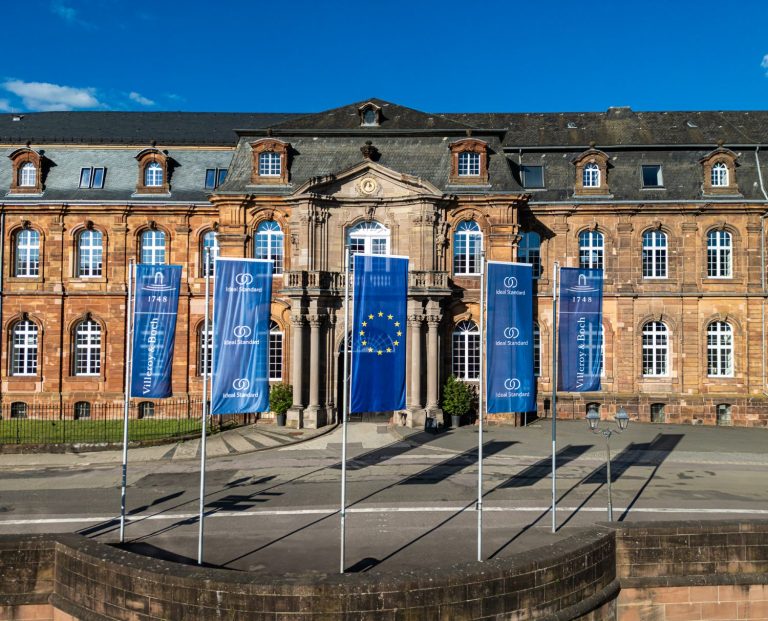
At Milan Design Week 2026, Villeroy & Boch and Ideal Standard present Design Continuum, an immersive installation developed in collaboration with Studio Elastique. Conceived as a platform for dialogue, the installation explores how design shapes perception and influences our senses – inviting the international design community to rethink the future of the bathroom.  

Bringing together two brands renowned for design excellence and innovation, the exhibition reflects a shared ambition: to think of the bathroom not as a static room defined by function, but as a space that evolves through the interplay of materials, technology, and human interaction. 

Design Continuum translates this idea into a spatial narrative. Across five interconnected environments, the installation explores different dimensions of design – from material innovation and timeless form to perception, interaction and craft. Light, projection, texture and scent transform the brands’ joint showroom into an experimental setting, shaping how each space is experienced, and expressing a shared design approach that brings together heritage and innovation. 

The exhibition showcases a series of novelties developed at the brands’ German innovation centres dedicated to ceramics and fittings – from a 3D-printed ceramic study using 100% internally recycled material with Antao 3D, to surface approaches like the reactive glazing of Antao Earth or the haptic relief structure of Artis Sense. Timeless designs like Atelier Collections can be discovered alongside next generation tap technology with Vea. These innovations are brought to life in collaboration with leading designers including Ludovica Serafini and Roberto Palomba, Christian Haas, Design Studio KASCHKASCH and Gesa Hansen. 

“With more than 400 years of combined design heritage, Villeroy & Boch and Ideal Standard have always been at the forefront of developing new materials, technologies and ideas. Design Continuum allows us to show how we carry this spirit forward – bringing together Villeroy & Boch’s strength in elegant, consumer-centric design with Ideal Standard’s architectural clarity and timeless form, alongside our joint expertise in innovation across our key bathroom categories. 

In doing so, we translate our expertise into products that go beyond function, shaping experiences, enhancing wellbeing and bringing something special into every day,” says Sven Ullrich, executive VP marketing/ R&D/ product management at Villeroy & Boch. 

Italian bathroom manufacturer INDA has unveiled a real-time 3D configurator ahead of Salone del Mobile, opening tomorrow. Enabling retailers to design, visualise and price bespoke bathrooms within a single showroom interaction, the software has been developed in collaboration with Cyncly.

The platform is powered by 3CAD Next, a visual Configure, Price, Quote (vCPQ) solution that transforms complex product specifications into interactive, photorealistic environments.

Debut during Milan Design Week

The configurator is being showcased as part of Milan Design Week 2026, where INDA has created a dedicated demonstration area within its stand to present the technology in action.

Its introduction signals a notable step for both companies. INDA becomes one of the first European bathroom manufacturers to implement real-time 3D configuration at scale, while Cyncly marks its first presence at the internationally recognised design event.

From concept to quotation in one sitting

Designed as a fully branded, cloud-based tool, the configurator allows showroom consultants to collaborate directly with customers, building tailored bathroom schemes in real time.

Users can explore layouts, finishes and product combinations through high-resolution 3D visuals, while the system simultaneously generates accurate quotations based on integrated pricing rules.

This enables projects to move seamlessly from configuration to confirmed order, reducing manual input and supporting a more efficient transition into manufacturing.

Claudio Martinolli, marketing director at INDA, said the tool reflects a shift in how bathroom projects begin: “The customer experience starts long before a showroom visit. With 3CAD Next, retailers can confidently shape and refine the project their customers have in mind, with a high level of customisation.”

Streamlining the bathroom sales journey

Bathroom purchasing has traditionally involved multiple stages, from initial consultations and sample reviews to manual quotations and repeat showroom visits.

INDA’s new platform is designed to simplify this process by consolidating design, visualisation and pricing into a single interface. Retailers can develop a scheme alongside the customer, visualise the outcome instantly and provide a quotation on the spot.

For showroom partners, this approach is expected to shorten sales cycles, improve conversion rates and reduce errors linked to manual specification entry.

Andrea Gnoato of Cyncly said the collaboration highlights the potential of digital tools to enhance customer experience across configurable product sectors, particularly in bathroom and furniture design.

Towards more immersive retail environments

The launch reflects a wider shift within the interiors industry towards experience-led showrooms, where digital tools play a central role in both design exploration and purchasing decisions.

By combining real-time visualisation with integrated pricing and production workflows, INDA’s configurator bridges the gap between inspiration and transaction — enabling a more immediate, engaging and efficient retail experience.

Live demonstrations of the configurator are taking place at Hall 6, Stand A34–A36 throughout Salone del Mobile 2026.

Roca UK has announced the retirement of Mark Winfield, head of product, marking the end of a five-decade career that has helped shape the modern bathroom and ceramics industry in the UK and beyond.

Winfield’s departure closes a 50-year journey that began on the factory floors of Stoke-on-Trent, the historic centre of British ceramics production, and culminated in senior leadership at one of Europe’s leading bathroom manufacturers.

Describing himself as a “man of clay”, Winfield built his reputation through hands-on experience in ceramics manufacturing, deep technical knowledge, and a long-standing commitment to bathroom product innovation.

From Stoke-on-Trent apprentice to global bathroom product leader

Beginning his career at just 16, Winfield entered the industry at a time when British ceramics manufacturing remained a dominant force in global bathroom production. His early grounding in production and materials would go on to define a career characterised by product expertise and practical design thinking.

After joining Roca UK in 2015 as senior product manager, Winfield later became head of product, where he played a central role in shaping the company’s UK product strategy and strengthening its position in a highly competitive bathroom market.

His work supported the development of key product launches, the expansion of modular bathroom systems, and a broader shift within the retail sector towards complete bathroom solutions rather than standalone product sales – an evolution widely seen as a defining trend in the modern bathroom industry.

Driving modular bathroom design and retail transformation

During his tenure, Winfield contributed to the refinement of integrated bathroom concepts, aligning product development more closely with changing consumer expectations and the growing demand for design-led, system-based bathroom solutions.

He also spent six months in Miami on secondment, supporting Roca’s expansion into the US market and helping establish brand presence and product understanding in a new territory, an experience he cites as a standout moment in his career.

Beyond product strategy, Winfield became widely recognised within the bathroom sector for his practical, grounded approach and his willingness to support teams across design, sales and retail channels.

Sustainability and the future of bathroom design

Reflecting on industry change, Winfield identified sustainability as both a major challenge and opportunity for the bathroom sector, highlighting the increasing pressure on manufacturers and housebuilders to respond to evolving environmental expectations.

He emphasised the importance of innovation in materials, lifecycle thinking, and long-term product planning as key drivers of future competitiveness in bathroom design and specification.

His advice to emerging professionals in the industry centres on curiosity, collaboration and engagement: a philosophy that has underpinned his own career progression from manufacturing floor to senior product leadership.

Industry tribute from Roca UK

Rashpal Sidhu, managing director at Roca UK, paid tribute to Winfield’s contribution to the business and the wider sector commented: “Mark has been one of our most valued colleagues and an integral part of where we are today. His knowledge, passion and commitment to the industry are exceptional, and he has made a lasting impact not only on Roca, but across the wider bathroom sector. Mark will be greatly missed and our door will always remain open to him – we may even bring him back to deliver a few motivational speeches.”

A legacy in the modern bathroom industry

After 50 years in the bathroom and ceramics industry, Winfield leaves behind a legacy defined by technical expertise, product innovation and deep industry relationships.

His career charts a period of significant transformation in bathroom design – from traditional ceramic manufacturing to today’s integrated, design-led and sustainability-focused bathroom systems.

Houzz Inc. has introduced a series of updates to sourcing and procurement features within Houzz Pro, aimed at streamlining workflows for interior designers and architects. The latest update sees the Clipper tool become available on mobile, offering a native, AI-powered experience within the Houzz Pro app.  

Integrated directly into the app, the AI-powered Clipper enables professionals to capture product details, pricing and imagery from any mobile browser. Items can be saved instantly to a centralised library and added to proposals, selection boards and project budgets, removing the need for additional extensions or third-party tools.

“The future of sourcing is mobile, AI-powered and completely seamless, and now we’ve brought this to the Houzz Pro app”, said Alon Cohen, co-founder and CEO of Houzz. “With the mobile Clipper, it’s easier for pros to capture products from anywhere and easily move from inspiration to execution. Combined with new selection board templates and placeholders, Houzz Pro provides a more complete solution for managing sourcing, selections and project budgets in one place.”

Further updates to the Selections tools focus on improving organisation and visibility across projects. A new clip from URL function allows users to add products directly into a Selections Board by pasting a link, enabling fast specification without additional setup.

Selection Boards Placeholders have also been introduced, allowing designers to map out quantities and product types before final decisions are made. Once specified, placeholders are automatically replaced with full product details, while maintaining quantities and project structure.

In addition, Selection Boards Templates offer a repeatable framework for common project types. Users can save existing boards or build new templates from scratch, helping teams standardise workflows and ensure consistency across multiple projects.

“As interior designers, we’re constantly saving inspiration and product ideas while on the go,” said James Karpin, director at Studio Akiva. “The Houzz Pro Clipper has already made that process incredibly efficient, and the new AI-powered functionality takes it a step a further by automatically adding key product details. It makes a big difference to how quickly we can build mood boards and share ideas with clients.”

The Clipper and Selections tools are available to all Essential package subscribers. The mobile Clipper is currently available on iOS, with Android support expected to follow.

Fully integrated within Houzz Pro, the new features sit alongside existing tools including estimates, invoicing, take-offs, 3D floor plans and mood boards, supporting professionals across the full project lifecycle.

About Houzz

Houzz is an AI-driven platform for construction and design, providing tools for both professionals and homeowners. Its cloud-based software, Houzz Pro, supports project management, client collaboration and business operations, while also offering access to 3D visualisations and financial tools.

The platform is used by more than 3 million industry professionals and over 70 million homeowners worldwide, and is available via web and mobile.

The hassle-free and easy-to-order Bathrooms2GO brand from PJH, has unveiled its new Spring/Summer 2026 range, featuring more exclusive new lines, great savings and extended product choices.

Synonymous with competitive pricing, pack deals, and easy bathroom update solutions, the new Bathrooms2GO Collection is now available in a refreshed 56-page A4 brochure (See it here: B2G Issue 6), packed with stylish product designs ready ‘2GO’ from leading KBB distributor, PJH.

Perfect for trade counters and bathroom showrooms, all product categories are in stock and available for Next Day Delivery to either store or job location, for optimum ease and convenience.

Highlights include ARLO, an exclusive new sanitaryware family boasting a sleek, square design, across a range of full pedestal basin and WC options, including a wall-hung WC – a first for Bathrooms2GO. All WCs feature rimless technology, along with soft-close, top fixing lift-off seats for ease of cleaning. For space-saving solutions, the TUSCANY sanitaryware range has been expanded to include new compact basins perfect for cloakrooms and ensuites.      

Also brand new to Bathrooms2GO this season is a keenly priced UNDERFLOOR HEATING range, introduced in response to customer demand. This energy efficient range includes everything needed for ease of installation, including a choice of thermostats to suit all projects.             

In showering, wetroom enclosures are now available in additional finishes, namely GUNMETAL and BRONZE, in addition to chrome, black and brushed brass, making the range even more design-led.

 The choice of 2GO TRAYS has also been expanded to include a wider variety of shapes and sizes, such as Square, Offset Quadrants and longer length Rectangles. This exceptionally strong yet lightweight range has proved very successful, remaining easy-to-install and now even more versatile.

Due to the wider variety of 2GO Trays, further 2GO PACKS of EasyFit enclosures with trays join this deal, presenting savings of up to 11%.    

In Accessories, a number of new contemporary MIRRORS join the range in both standard and LED designs.

For further Bathrooms2GO information, to order products, or download the new brochure, visit the PJH Partners Portal, www.partners.pjh.uk or contact PJH at sales@pjh.uk / T: 0345 450 8932.

GROHE has unveiled its latest innovation in wellness-led bathroom design with the launch of GROHE Grohtherm Aqua Tiles, a next-generation concealed thermostat ’tile-shaped’ control panel system that redefines the modern shower as a fully customisable, spa-inspired experience.

Designed to respond to the growing demand for personalised wellbeing at home, the system combines architectural minimalism with advanced shower control.

A minimalist approach to intelligent control

At the core of the system is a precision-engineered metal thermostat presented in a sleek horizontal format. The design is deliberately restrained, with recessed control buttons that sit flush within the surface and only extend when activated, reinforcing a clean, uninterrupted aesthetic.

This pared-back interface reflects a wider shift in bathroom design towards seamless integration, where technology enhances the space without visual disruption.

Fully customisable shower experiences

The Grohtherm Aqua Tiles system enables control of up to five different shower functions, allowing users to move effortlessly between head and hand showers, body sprays and a variety of spray patterns.

This flexibility transforms everyday showering into a tailored wellness ritual, adapting to individual preferences, moods and routines. Interchangeable cover plates further enhance this sense of personalisation, offering icon-based options that clearly communicate each function and can be configured to suit bespoke shower layouts.

The result is an intuitive user experience that prioritises clarity, accessibility and precision.

Designed for immersive wellbeing

The system can be paired with the GROHE Rainshower Aqua, engineered to deliver an enveloping water experience that brings a true spa atmosphere into the home. With adjustable positioning and generous proportions, it is designed to maximise comfort and relaxation.

Two distinct spray modes – from a gentle Rain setting to a more invigorating ActiveRain – allow users to shift seamlessly between calming and energising experiences. Complementing this, the hand shower offers multiple spray options, including massage-style and air-infused variations designed to support both relaxation and revitalisation.

Cohesive design and elevated finishes

Material consistency is central to the system’s design language, with high-quality metal components used throughout for a unified, premium feel. The refined detailing ensures the entire shower environment reads as a cohesive architectural feature rather than a collection of separate elements.

Available in finishes aligned with the broader GROHE palette – including contemporary tones such as Phantom Black – the system is designed to integrate seamlessly into a wide range of interior schemes, from minimalist residential bathrooms to high-end hospitality projects.

A new direction in bathroom wellbeing

Positioned within GROHE’s wider premium bathroom offering, including systems such as the GROHE Atrio Private Collection, the launch reflects a continued focus on holistic wellbeing and design-led innovation.

Rooted in the principle of Salus per Aquam – wellbeing through water – Grohtherm Aqua Tiles reinforces the bathroom’s evolving role as a personalised wellness environment, where precision engineering and emotional comfort come together.

As the boundaries between wellness, architecture and daily ritual continue to blur, GROHE’s latest launch signals a clear direction of travel: towards highly adaptable, design-led spaces that elevate the everyday.

At Casa Decor 2026 in Madrid, Kaldewei unveils a refined bathroom installation designed by interior architect Isabel López Vilalta, presenting a calm, sensory interpretation of the bathroom as an architectural space for wellbeing, reflection and material clarity.

The project is conceived not as a literal narrative, but as an atmospheric spatial experience. Sculptural volumes, softened edges and a restrained material palette create a gradual unfolding of space, guiding visitors through a carefully controlled sequence that prioritises perception over immediate readability.

Bathroom elements are fully integrated into the architectural composition, with the NUIO DUO Zen Edition bath introducing a subtle multi-sensory dimension through heat, sound and light. Rather than functioning as standalone objects, the fixtures operate as part of the spatial and sensory system.

“The proposal does not unfold as an explicit narrative scene, but rather as an enveloping atmosphere. The sculptural volumetry reorganises the space from a contemporary perspective, creating a subtle contrast between architectural precision and the warmth of the materials. The result is a serene environment that invites visitors to pause and reflect,” says Isabel López Vilalta.

Movement through the installation is deliberately slow and intuitive. Layered planes reveal themselves progressively, encouraging a more mindful engagement with light, proportion and surface. A suspended mirror becomes a key spatial device, shifting viewpoints and subtly expanding the perception of the interior.

Light plays a central role in shaping atmosphere, working in dialogue with materials to define and soften architectural edges. Translucent textiles and a muted tonal range introduce warmth and intimacy, balancing precision with tactility. The result is a composed environment that feels both structured and emotionally open.

“The intention was not to impose an image, rather to craft an emotion,” adds ILV*, continuing: “We wanted visitors to be guided by the space, to move through it without haste, and to understand it through perception, not only through sight.”

The installation also reflects an ongoing collaboration with Kaldewei, developed through a wider project in San Sebastián where the studio, alongside architect Ignacio Quemada, is converting a former theatre into a hotel. That process informed bespoke terracotta tones and material references that appear within the Casa Decor installation.

The project reflects Kaldewei’s focus on steel enamel as a durable, circular and precise material language, reinforcing ideas of longevity and responsible design. Importantly, the installation has been conceived for reuse and will be relocated to Kaldewei’s showroom in Germany after Casa Decor, extending its lifecycle and supporting a more sustainable approach to exhibition design.

Clerkenwell Design Week 2026 will return to London’s EC1 district from 19–21 May 2026, celebrating its 15th edition with a new programme of large-scale public installations and an expanded awards scheme.

Organised by Media 10, the global design festival will introduce Design Interventions – a curated series of site-specific structures installed ברח Clerkenwell’s streets, parks and venues. The initiative follows an open call to emerging and established designers and architects, with selected proposals set to activate the neighbourhood through interactive and immersive experiences.

Design Interventions animate Clerkenwell

The installations are designed to encourage public engagement while exploring material innovation and the built environment. Many will function as temporary gathering points, inviting visitors to sit, reflect and connect.

Among the selected works is Fountain of Technicolour Beads by Hong Kong studio One Bite Design, which will be installed on Clerkenwell Green. The terrazzo-based structure addresses colour vision deficiency through an immersive spatial experience.

Nearby, architectural practice StudioFolk will present The Crinkle-Crankle Bench beside St James’ Church Clerkenwell. Formed from natural stone bricks, the half-crescent seating installation references traditional serpentine wall forms.

At Haberdashers’ Hall, a “living” installation titled The Pulse of Becoming will evolve over the course of the festival. Created by graduates Musab Umair, Amruta Ramesh Pullawar and Sharath Binu John, the piece incorporates chia seeds embedded within sculptural forms that gradually sprout, symbolising cycles of life and regeneration.

Expanded CDW Awards launch with Design Milk

A key highlight for 2026 is the expanded CDW Awards, presented in partnership with Design Milk. Taking place on 19 May at Haberdashers’ Hall, the awards will recognise not only standout products across furniture, lighting and materials, but also the individuals and studios driving innovation in the industry.

New categories will spotlight “disruptors, dreamers and doers”, reflecting a broader focus on creative impact and forward-thinking design.

New venues across historic Clerkenwell

The 2026 edition will introduce several new venues, including the Museum of the Order of St John at St John’s Gate. The historic site will host INTERIORS FROM SPAIN, a contemporary design showcase produced by Disegno.

Other additions include Material Source Studio and Workplace on the Square, located near The Zetter Hotel, focusing on materials innovation and workplace design respectively.

Meanwhile, returning venues such as St Bartholomew the Great will once again host the Church of Design. The medieval building will feature installations including CONFLUENCE, an origami-inspired suspended structure by Fung+Bedford, alongside exhibitions from international brands such as Roche Bobois, DEDON and MAGIS.

The Conversations at Clerkenwell talks programme will also return, curated by Katie Richardson and sponsored by Dulux, featuring discussions on key topics shaping contemporary design.

Lighting, installations and international brands

The House of Detention will again host the Light exhibition, showcasing global lighting brands. Visitors will be welcomed by Loom Light, a 3D-printed installation created by MIMStudios in collaboration with AI Build and SEAM Design.

Across Clerkenwell, a mix of historic and contemporary venues – including Old Sessions House and The Charterhouse – will host exhibitions spanning furniture, surfaces, textiles and product design.

Confirmed exhibitors include String Furniture, Moroso, Dornbracht and Vincent Sheppard, alongside national showcases from Austria, Denmark and Italy.

Digital-first visitor experience

For 2026, the festival will introduce a new digital app, replacing printed guides. The platform will allow visitors to navigate venues, plan itineraries and access exhibitor information in real time.

Clerkenwell Design Week 2026 takes place across EC1, London, from 19–21 May, with installations, exhibitions and talks programme spread throughout the district. Registration is now open via the official festival website.

Bette is expanding the Bette Ultra Space shower tray range with 20 additional sizes. This further increases the scope for customised bathroom planning, in both new builds and refurbishments. From compact layouts to spacious walk-in solutions, BetteUltra Space can now be tailored even more precisely to different room concepts.  

Bette_BetteUltra-Space

BetteUltra Space combines minimalist design with a clear technical advantage. In combination with the BetteCompact+ drain set, it can be installed with a minimum installation height of just 90 mm. According to Bette, no other shower tray solution meets standards at this level. This opens up new possibilities, particularly in challenging installation scenarios, such as in existing properties, where installation heights are low, or wherever a shower area needs to be integrated in a particularly elegant and comfortable manner. 

A particular benefit lies in the well-thought-out geometry of the shower surface. It guides the water safely and cleanly to the drain, even with the extremely flat design. The result is a minimalist shower area that not only appears light and spacious but also functions reliably in everyday use. The low installation height is thus not a compromise, but a genuine gain in comfort. The wall-adjacent drain on the narrow side also creates a pleasant, continuous standing area and enhances the clean architectural aesthetic. 

In terms of design, BetteUltra Space offers additional freedom thanks to its wide range of colours, with over 30 options. This allows the shower tray to be subtly and harmoniously matched to the adjacent floor covering or deliberately styled as a contrast. Made from glazed titanium steel, it also impresses with a seamless, hygienic and particularly easy-to-clean surface. Compared to tiled showers, it can be cleaned more quickly and easily, a noticeable advantage in daily use. Bette offers a 30-year guarantee on the flawless quality of this robust material. 

BetteUltra Space also sets a clear example when it comes to sustainability. The material is based on the natural raw materials glass, water and steel, and stands for durability and recyclability.  

The shower tray is also available with Seal+ as an option. The pre-assembled seal facilitates standard-compliant installation and simplifies coordination between the plumber and the tiler. This ensures safety on site and makes installation even more efficient.